
Downspout Gutter Cleaning
TL;DR:
- Spring snowmelt can send a large volume of water toward gutters and underground downspout lines in a short period.
- A gutter drain clogged underground may handle light rainfall but fail when snowmelt increases the flow.
- Mud, sediment, roots, and debris can restrict underground gutter drainage before the problem becomes visible.
- Water backing up at a downspout, pooling around the yard, or failing to exit the buried line can signal a blockage.
- Professional inspection and jetting can help identify and clear stubborn underground drainage problems.
If your gutters and downspouts look perfectly clear, you might assume your drainage system is ready for spring. However, what if the real blockage is several feet underground, inside an underground drain spout, where you cannot see it?
Utah gets about 95% of its water supply from snowpack, according to the Utah Division of Water Resources’ 2025 update. While that figure refers to the state’s overall water supply, it shows how much water Utah’s winter snowpack can release as temperatures rise.
As that snow melts, runoff moves from roofs, yards, driveways, and other surfaces into gutters and downspouts. Underground drainage lines then carry the water away from your home. Leaves, mud, sediment, and roots can build up inside these buried pipes, restricting water flow without leaving any visible sign above ground.
The restriction may go unnoticed during a typical rainstorm because the line can still handle the incoming water. Spring snowmelt can send a much larger volume through the same system in a shorter period, exposing a blockage that was previously easy to miss. Water may back up at the downspout, pool near the foundation, or spread into parts of the yard that should remain dry.
This guide explains why spring snowmelt can expose underground gutter drainage problems, what commonly blocks buried lines, which warning signs to watch for, and how professional cleaning can help restore proper flow.
Why Spring Exposes Hidden Drain Problems:
- More runoff reaches the gutter system.
- Existing debris leaves less room for water to pass.
- Saturated soil can slow drainage around the property.
- A partially blocked line can quickly become a backup point.
Why Spring Snowmelt Puts Extra Pressure on Underground Gutter Drainage
As snow melts, runoff from roofs, gutters, yards, driveways, and other surfaces can quickly overload the drainage system. When a downspout in the ground is clogged with sediment or roots, the extra water has fewer places to go and can start backing up underground.
This can become more noticeable during spring runoff. A line that handles regular rainfall may struggle when snowmelt sends a larger volume of water through the system, especially when rain falls at the same time.
More Water Reaches the Downspout
Snow that builds up on a roof or around a property eventually turns into runoff as temperatures rise. That water can flow into gutters and downspouts along with runoff from the rest of the property.
When the underground line is clear, it can carry the extra water to the outlet. If the line is restricted, the reduced flow can cause water to move slowly, back up, or collect around the property.
Existing Debris Becomes a Bigger Problem
Leaves, soil, small branches, sediment, and roots can build up inside an underground line over several seasons. During light rain, enough water may still pass through the remaining opening to keep the problem hidden.
That can change instantly once spring temperatures rise and snow begins to melt. In fact, the Utah Division of Water Resources reported that the state’s snowpack peaked at 18.8 inches of snow water equivalent on April 2, 2024, which was 131% of normal.
As that stored water melts, runoff can enter drainage systems at a much higher rate than during a light rain. For a buried line already narrowed by debris or roots, the added flow can make a hidden restriction much easier to notice.
A Partially Blocked Drain Can Look Fine Until Flow Increases: Light rain may pass through a restricted pipe without obvious symptoms. Heavier or sustained flow can reveal the blockage through slow drainage, backup, or pooling.
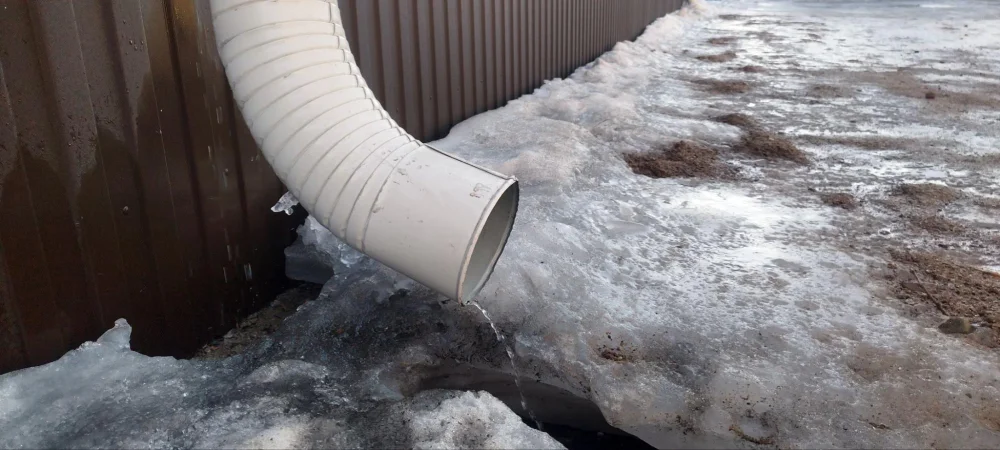
What Causes an Underground Gutter Drain to Become Clogged?
Here are some of the factors that may result in clogging underground gutter drains:
Leaves and Organic Debris
Small pieces of leaves, seed pods, pine needles, and other organic material can make their way through the gutter system. Once underground, this material can collect in bends or low sections.
Repeated buildup gradually reduces the open space available for water.
Mud and Sediment
Runoff carries fine soil and grit into drainage systems. Some of that material settles inside buried pipes, particularly where water moves slowly.
Over time, a layer of sediment can build along the bottom of the pipe and reduce flow capacity. When spring runoff arrives, that smaller passage may not handle the increased volume.
Root Intrusion
Roots can enter underground lines through small cracks, open joints, or damaged sections. Once inside, they can grow across the pipe opening and catch leaves and sediment moving through the system.
This can make the blockage progressively harder to clear and may point to an underlying pipe problem.
Low Spots, Damaged Pipes, or Poor Drainage
Soil movement and settling can cause sections of buried pipe to sag. These low spots can hold water and sediment instead of allowing the line to drain freely.
A crushed, shifted, cracked, or otherwise damaged pipe can create similar restrictions. In these situations, cleaning may remove the material inside the line without fixing the damaged section itself.
Why a Clog May Keep Coming Back:
- Sediment settles in the same low section.
- Roots continue entering through damaged joints.
- Debris catches on an existing obstruction.
- A damaged or misaligned pipe restricts flow even after cleaning.
Signs Your Underground Gutter Drain Is Clogged Before Spring Runoff Peaks
The buried portion of a drainage system is difficult to assess from the surface, but several symptoms can indicate that something is wrong.
Water Backs Up Around the Downspout
Water that spills around the base of a downspout instead of entering the underground line can point to a restriction farther along the pipe.
Pooling or Soggy Ground Along the Drainage Path
Recurring wet spots along the route of a buried drain may indicate restricted flow or a damaged section that allows water to escape into the surrounding soil.
Gutters Overflow During Moderate Rain
An overflowing gutter does not always mean the gutter itself is dirty. A blocked underground line can create a downstream restriction that eventually affects how quickly water leaves the downspout.
Little or No Water Exits the Underground Line
If the buried pipe has a visible outlet, watch what happens during rainfall. Little or no water coming from the outlet while water is entering the system can indicate a blockage.
Gurgling or Slow Drainage
Gurgling sounds around a downspout or cleanout can occur when water and trapped air move through a partially restricted line. Slow drainage that repeatedly occurs during rain is another reason to investigate the buried section.
What to Check After a Snowmelt or Rain Event:
- Which downspout shows the first sign of backup?
- Does water leave the underground outlet?
- Is the soil unusually wet along the buried line?
- Does the problem happen repeatedly?
- Does the gutter overflow even when the gutter itself is clear?

How Snowmelt Can Overwhelm a Gutter Drain That Is Already Partially Blocked
The relationship between snowmelt and a clogged drain is easier to see when you follow the water from the roof to the underground line.
Step 1: Snow Begins Melting
Warming temperatures turn accumulated snow into runoff. Utah’s spring flooding risk climbs when snowmelt combines with rainfall on the same day.
Step 2: Runoff Enters the Gutter System
As snow melts from the roof and surrounding areas, water enters gutters and travels through downspouts. The drainage system now has to move more water away from the structure.
Step 3: The Restricted Pipe Slows the Flow
An underground gutter drain clogged with roots, sediment, mud, or debris has less usable space inside. Water can still pass during a small rainfall event, giving the impression that the line works normally. As flow increases, that remaining opening may not be enough.
Step 4: Water Finds the Weakest Point
Once the buried line cannot move water quickly enough, water may back up around the downspout, overflow from the gutter, pool in the yard, or escape through a damaged portion of the pipe.
That does not automatically mean the foundation will be damaged. However, repeated pooling near the structure gives homeowners a reason to investigate where the water is going.
Quick Tip: A gutter can appear to be working during light rain while an underground drain is partially blocked. Heavy snowmelt or rainfall may reveal the problem when the drainage system needs to handle a much larger volume of water.
What to Do If Your Underground Downspout Drain Is Clogged
Cleaning out underground downspouts starts with observation, not a shovel. Work through these steps in order:
Start With a Visual Check
Begin with the parts you can see. Check the gutters, downspouts, connections, visible outlets, and areas where water is pooling.
If those components appear clear but water continues backing up, the restriction may be farther underground.
Check the Underground Line
The buried section needs a closer inspection when surface components are working properly, but drainage remains slow.
A camera inspection can help identify roots, sediment buildup, cracks, collapsed sections, and other conditions inside the pipe.
Clear the Blockage
For a structurally sound line, professional hydro jetting can remove stubborn buildup. Hydro jet drain cleaning uses high-pressure water to break apart and flush roots, sludge, leaves, and sediment from the pipe.
The goal is to clean the line rather than simply punch a small opening through the blockage.
Check the System After Cleaning
After cleaning, the drainage route should be checked again to confirm that water can move through the line. If the pipe is cracked, crushed, severely misaligned, or collapsed, another repair method may be needed.
Cleaning vs. Repair
- Debris, sediment, and roots → cleaning may help.
- Cracked pipe → inspection and repair may be needed.
- Collapsed section → cleaning alone will not restore the pipe.
- Missing drain cap → locate and restore the access point.
How Utah Downspout Cleaning Helps Restore Underground Gutter Drainage
At Utah Downspout Cleaning, we work specifically with underground downspout and gutter drainage systems. Rather than treating a buried line like a typical indoor plumbing clog, the team focuses on finding the restriction, clearing the line, and checking how the system drains afterward.
Diagnostic Inspection
Our team checks the drainage system to identify possible blockages, restricted flow, and signs of damage that may affect underground drainage.
High-Powered Jetting
Professional jetting equipment helps clear roots, mud, leaves, sludge, sediment, and other buildup from underground lines. The process also cleans debris from the inside of the pipe to help restore better water flow.
Drain Cap Location
A buried drain cap can become covered by soil, grass, mulch, or landscaping over time. Our team can locate missing or covered access points so the underground line can be reached and serviced.
System Check
After cleaning, we check how water moves through the line and toward the outlet. This can help identify whether the problem was caused by buildup or if the pipe may need repair.
Key Takeaway: If an underground drain repeatedly backs up after cleaning, the issue may be more than debris buildup. Roots, collapsed or damaged pipe sections, poor drainage connections, or inadequate flow capacity may require further inspection or repair.

How to Prepare Your Underground Gutter Drain Before Spring Snowmelt
A little prep before the melt saves a scramble later. Work through these before temperatures climb:
Clear Gutters and Downspouts
Remove leaves and other visible debris from gutters and downspouts so less material enters the buried system.
Look for Slow Drainage
Pay attention to water that drains slowly or backs up during rainfall. Recurring symptoms can point to a restriction below ground.
Check Drainage Around the Property
Look for pooling, erosion, soggy areas, or water moving back toward the house. These changes can help identify where runoff is struggling to move.
Schedule Cleaning if Problems Repeat
A repeated backup deserves more attention than a one-time puddle after an unusually heavy storm. Persistent symptoms can indicate buildup or damage deeper in the drainage line.
Spring Drainage Checklist:
- Clean visible gutter debris.
- Check downspout connections.
- Look for standing water.
- Check underground outlets.
- Watch for recurring backups.
- Have persistent problems inspected.
Keep Spring Snowmelt From Exposing a Hidden Drain Problem
Spring snowmelt can expose a drainage restriction that stayed hidden through months of lighter rainfall. A buried line may continue carrying some water even as sediment, roots, mud, and debris gradually reduce its capacity.
Checking underground downspout drainage before heavier spring runoff arrives can help identify these restrictions early. A properly flowing line gives water a clear path away from the home, while a partially blocked one can lead to backup, pooling, and other drainage problems when runoff increases.
That’s where Utah Downspout Cleaning can help. We specialize in underground downspout and gutter drain cleaning, using professional inspection and high-powered jetting to locate and clear stubborn blockages. Our team can also help locate buried drain caps and identify conditions that may require repair rather than cleaning.
If you’re noticing slow drainage, water backing up around a downspout, or little to no flow from an underground outlet, contact us for a free bid and have the buried drainage line checked before spring runoff puts more pressure on it.
Frequently Asked Questions
Can snowmelt clog an underground gutter drain?
Snowmelt generally increases runoff rather than creating the original blockage. The additional water can expose an existing restriction caused by sediment, roots, mud, leaves, or other debris.
Why does my clogged downspout only back up during spring?
A partially restricted pipe may still handle ordinary rainfall. Spring runoff can send more water through the system in a shorter period, exceeding the reduced capacity of the buried line and causing visible backup.
How can I tell if my underground gutter drain is clogged?
Look for water backing up around the downspout, pooling along the buried drainage path, overflowing gutters, slow drainage, or little water leaving a visible underground outlet during rain.
Can hydro jetting clear an underground downspout?
Yes, hydro jet drain cleaning can remove many types of buildup, including roots, mud, sludge, leaves, and sediment. The pipe should be inspected first when damage is suspected so the cleaning method matches the pipe’s condition.
Should I clean my underground gutter drain before spring?
Pre-season inspection and cleaning can help identify restrictions before increased runoff puts more demand on the line. This is especially useful when the same downspout has backed up or drained slowly in previous seasons.
What if the underground drain is damaged?
Cleaning will not repair a collapsed, severely cracked, or badly misaligned pipe. An inspection can identify the condition of the buried line and help determine whether cleaning, repair, or replacement is appropriate.
Share
Recent Posts

October 7, 2026
The Crucial Role of Gutter Downspouts in Protecting Your Home
Every drop of rain that lands on your roof has somewhere to go, and your gutters and downspouts determine where it ends up....

September 23, 2026
How Utah’s Spring Snowmelt Overwhelms Underground Gutter Drains
If your gutters and downspouts look perfectly clear, you might assume your drainage system is ready for spring. However, what if the real...
September 15, 2026
Hydro Jetting vs. Snaking for Underground Downspouts: Which Is Better?
A drain snake may break through a blockage, while high-pressure jetting can scour the inside of the pipe. But which method is better...